Capstone & independent study · with Dr. Vinod Namboodiri · Jan 2025 – May 2026
MABLE Indoor Navigation App
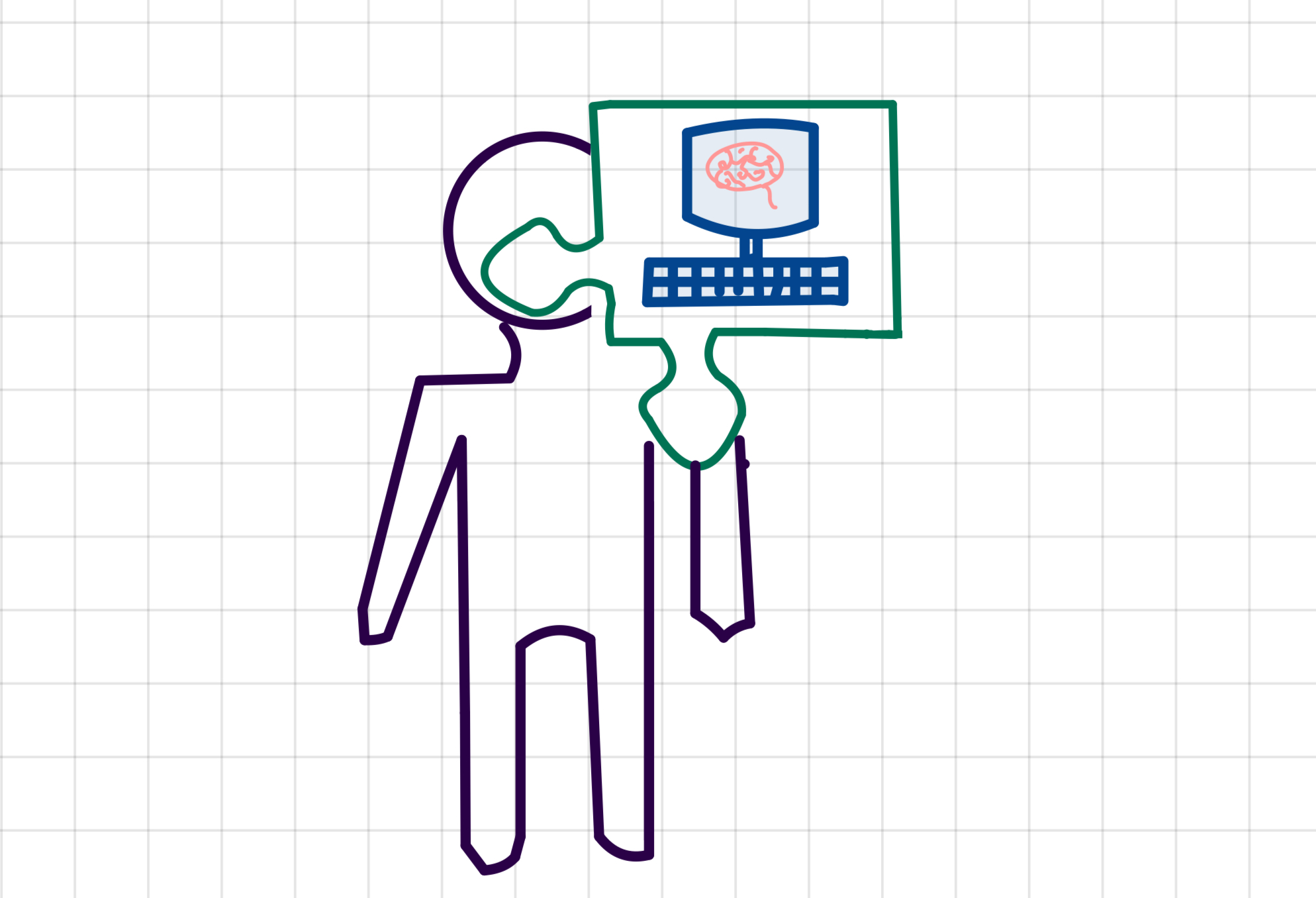
What would it take to navigate a building without sight, or a phone?
Indoor spaces like hospitals and airports have almost none of the wayfinding infrastructure outdoor GPS relies on, which makes them especially hard for blind and low-vision users. I explored what it would take to build a smart-glasses-based navigation system, bridging user research with concrete hardware and software requirements an engineering team could build against.
My Role
Through an independent study, I bridged the user research with concrete hardware and software requirements — what the glasses need to sense and how they should respond — that an engineering team could build against.
Methods
- Competitive analysis of existing navigation apps and AR/smart-glasses hardware
- User profiling across four groups: blind screen-reader users, central vision loss, peripheral vision loss, mobility impairments
- Journey mapping to trace how someone navigates an unfamiliar building today, and where that breaks down
- Hardware comparison (HoloLens 2, Meta Ray-Ban) on cost, battery life, accessibility
Design output
- Defined core design requirements from the research findings
- Authored technical specifications and a business case for accessibility-focused smart glasses
- Evaluated hardware candidates (Microsoft HoloLens vs. Meta Ray-Ban) and selected Meta Ray-Ban as the platform
- Translated journey-map pain points into UI/UX recommendations
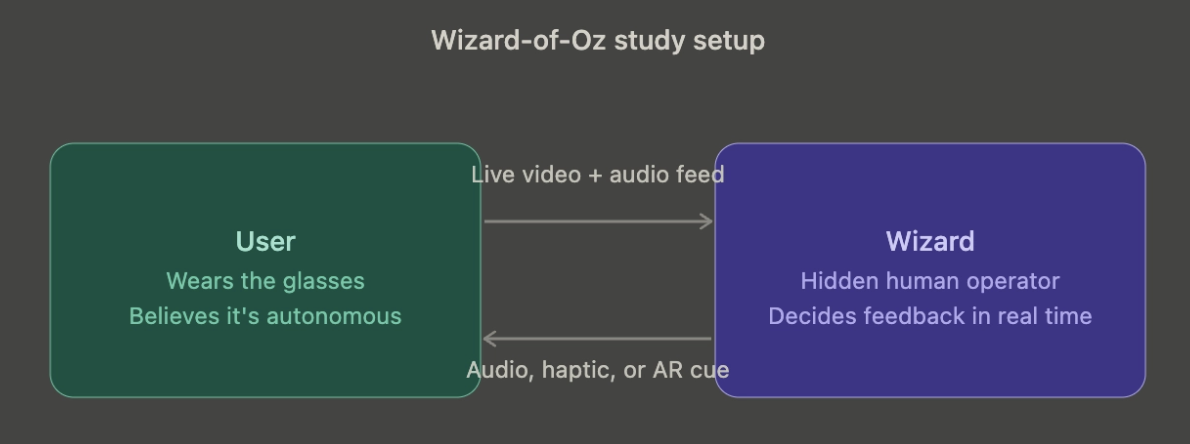
- Designed a Wizard-of-Oz study to validate information needs before building anything
Deliverables
Market opportunity assessment
Competitive analysis
Technical specifications
Business case development
Product feature definition
Cross-functional collaboration
Takeaways
- Information delivery is a design problem in itself. I spent a lot of time thinking about not just what information to show,
but also when, where, and how to show it. The same information can be helpful or frustrating depending on when and how it's presented.
So this project made me focus more on the experience of receiving information in the moment.
Global Social Impact Fellowship · Lehigh University · Jan – Dec 2023 · Best Paper Award, GHTC '23
Save Tuba — Sustainability Education App
Can a game actually change how kids think about sustainability?
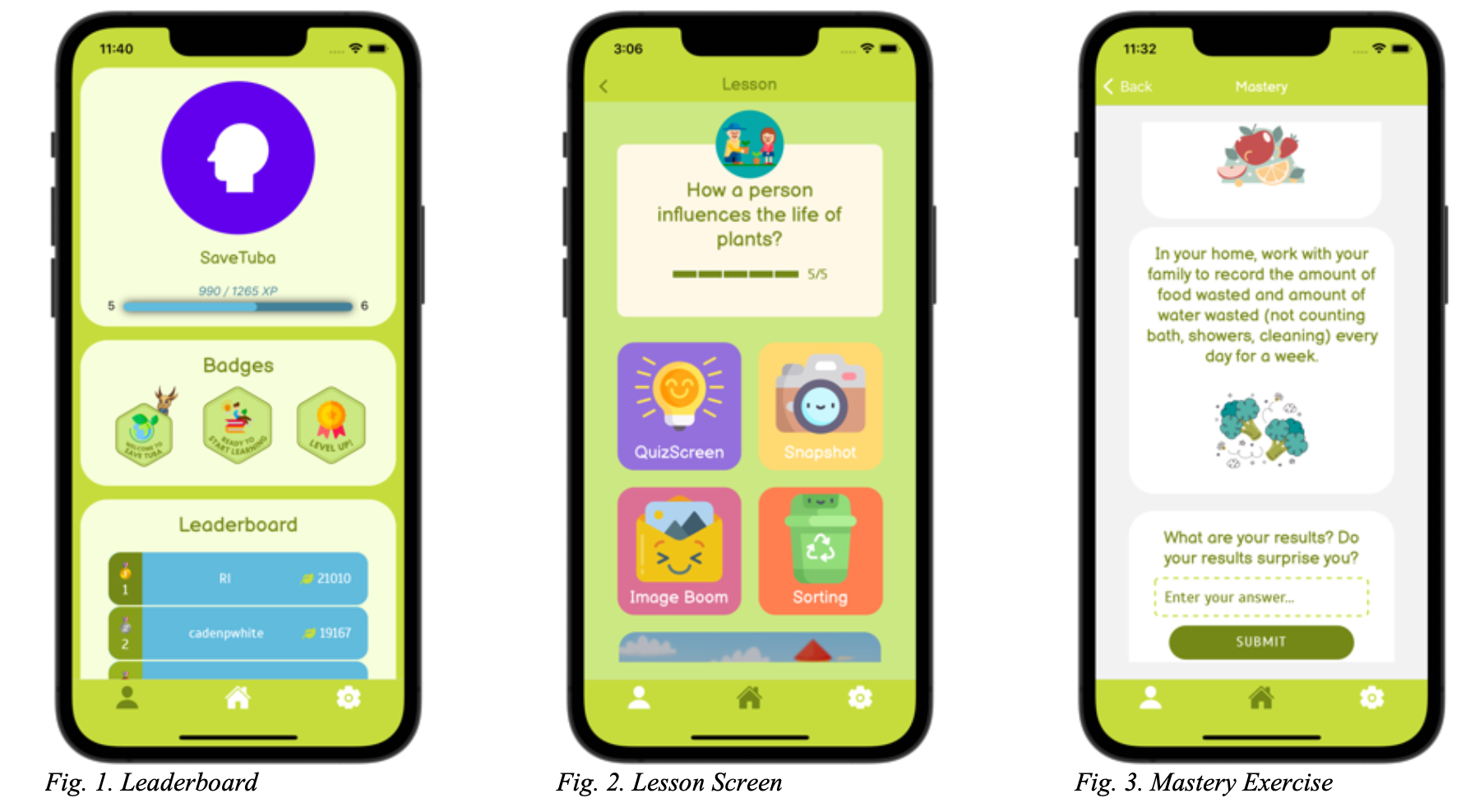
A gamified sustainability-education app for elementary students in Kazakhstan. As Research Lead, I led the qualitative research behind its redesign — fieldwork that shaped new gamification and inquiry-based learning features aligned with local culture and standards.
My Role
As the Research Lead for the team, I led the qualitative research behind its redesign. I published a first-author paper that won the Best Paper Award at the IEEE Global Humanitarian Technology Conference '23.
Methods
- Six focus groups across Kazakh- and Russian-medium schools
- Ethnographic fieldwork during deployment in Kazakhstan
- Thematic analysis of focus-group findings
Design output
- Identified navigation and engagement as key gaps from focus-group feedback
- Translated field research into new gamification and inquiry-based learning features
- Focused the app's curriculum based on teacher feedback and national standards
- Localized content and features for a multilingual, cross-cultural user base via in-country school partnerships
Deliverables
Customer needs analysis
Roadmap prioritization
Objectives and Key Results
Go-to-market strategy
Product marketing strategy
Cross-functional partnerships
Takeaways
- This project made me rethink my opinions on "boring" topics. Good behaviors for the environment or health seem difficult or boring because
they are often represented as information to memorize rather than something to notice and act on. But developing an emotional hook
and gamifying the process makes habit formation a lot more exciting. Through this project, I have picked up valuable insights about
human psychology around behavior change and habit formation.
Data, Algorithms and Society Lab, Lehigh University · with Dr. Eric Baumer · Jan 2023 – May 2026
Building For How People Actually Work
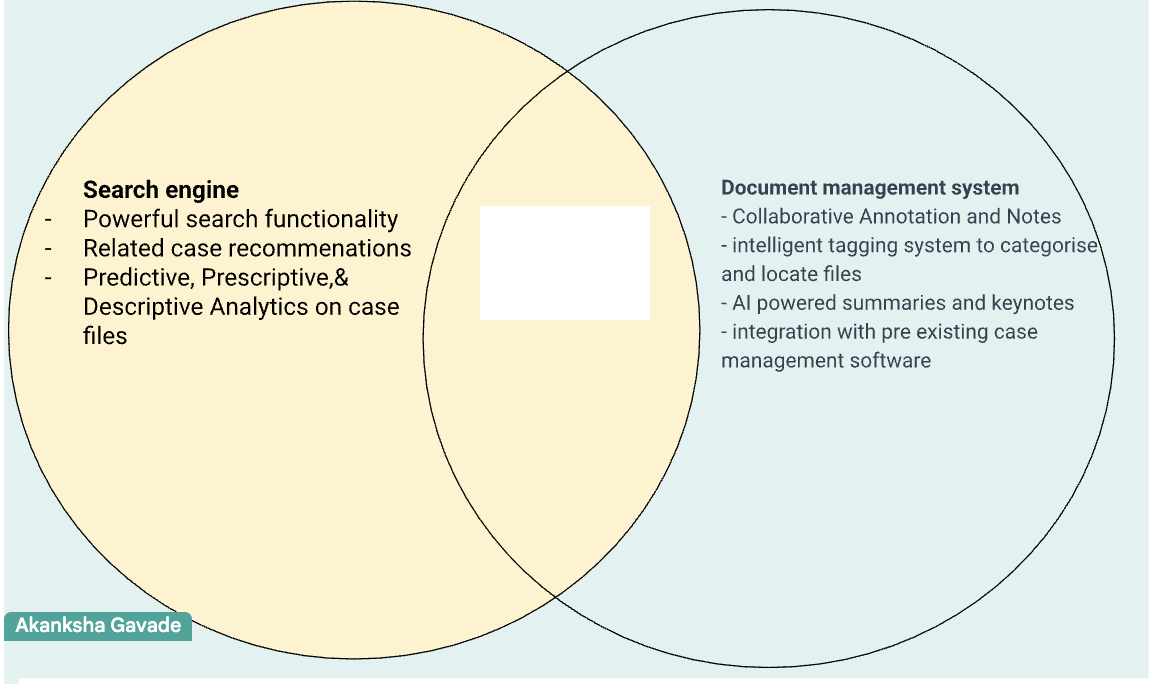
Does good design always mean building something new?
Lawyers weren't getting what they needed from their existing tools, but it wasn't clear whether the fix was a new tool or a better understanding of how they actually worked. Interviews shaped a working search tool integrated directly into the team's existing Dropbox workflow.
My Role
As a research assistant, I contributed significantly to data analysis, which led to understanding the user needs and translating those into tasks for the software engineering team. I co-authored 2 papers that explore user feedback elicitation (Submitted, IJHCI) and a new approach to design (Accepted, CSCW '26).
Methods
- 40+ semi-structured interviews and think-aloud sessions
- Thematic analysis with a codebook refined across iterations
- Rapid prototyping in Miro and Figma
- Literature review across HCI, data visualization, participatory design
Design output
- Synthesized and reorganized user needs from interview data
- Translated user requirements into concrete tasks for the software engineering team
Takeaways
- People are good at describing their frustrations, the symptons of the problem. More often than not,
they are not the best at describing a solution or the root cause of the issue.
- Reducing friction in the existing workflows is just as valuable as adding new functionalities. Sometimes more.
- A new tool gets adopted faster when it lives inside a workflow people already trust instead of replacing it.
Changing behavior is harder than changing code.
Personal Project · Tinkering with AI
Research Copilot: Can AI Actually Run Customer Discovery?
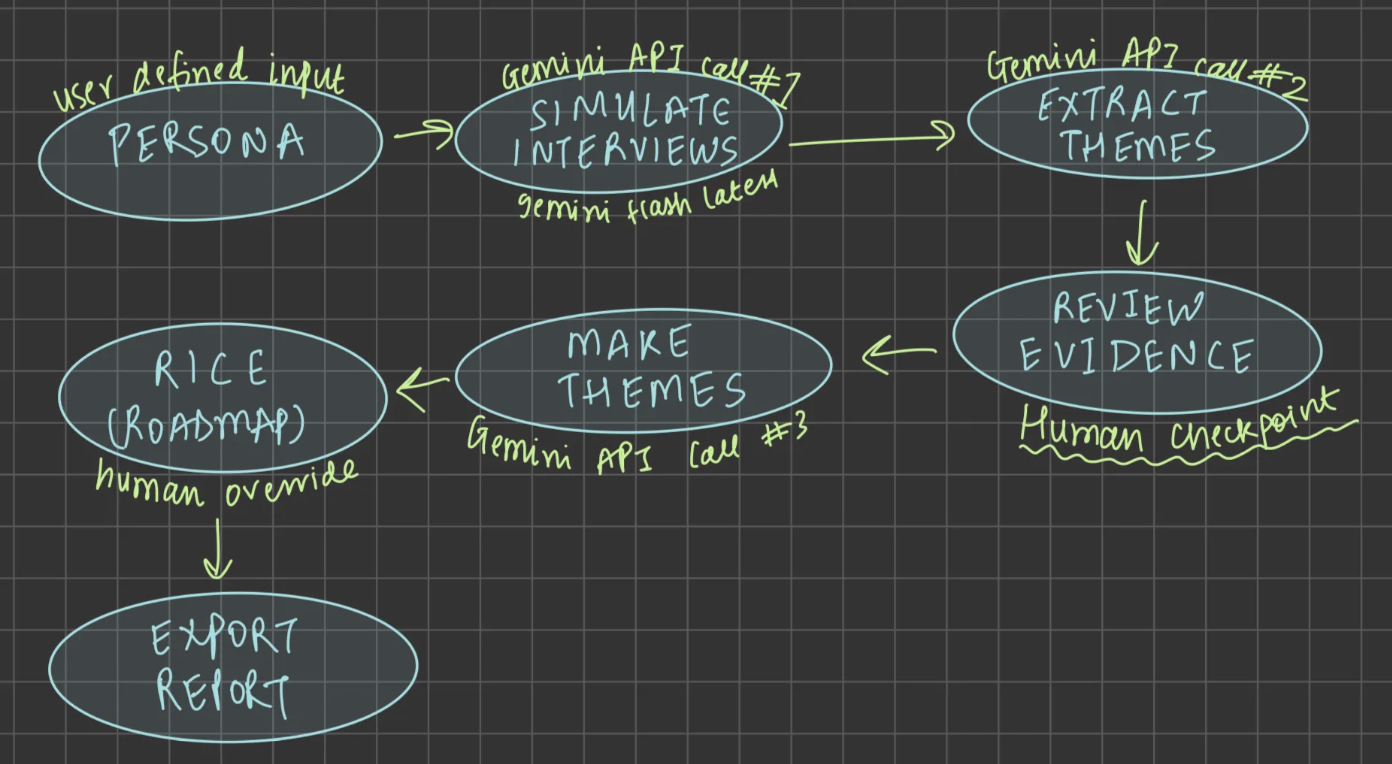
Could an AI-run discovery process get to a real, defensible product insight, and where would it fall short of human researchers and human subjects?
I built an end-to-end AI research tool that simulates customer interviews from a given persona, extracts themes and pain points, and builds a prioritized product roadmap.
I also built in a mechanisms for manual approvals and self-checking at each stage so nothing advances without an verified evidence chain and a person's sign-off.
I tested it on a synthetic study of gig workers managing their finances to see exactly where AI-driven synthesis holds up and where it falls short.
Methods
- Built a two-pass AI pipeline (Python, Streamlit, Gemini API) that generates simulated interviews and extracts findings independently, to avoid trusting one black-box output
- Designed an evidence-gated review system requiring every AI-generated finding to be backed by a verbatim quote and manually accepted, edited, or rejected before further synthesis
- Implemented theme clustering and RICE-based roadmap prioritization with human override, tracking frequency and severity separately so infrequent-but-serious issues aren't buried
Personal Project · Tinkering with AI
Can AI rebuild a person from a fragment of them?
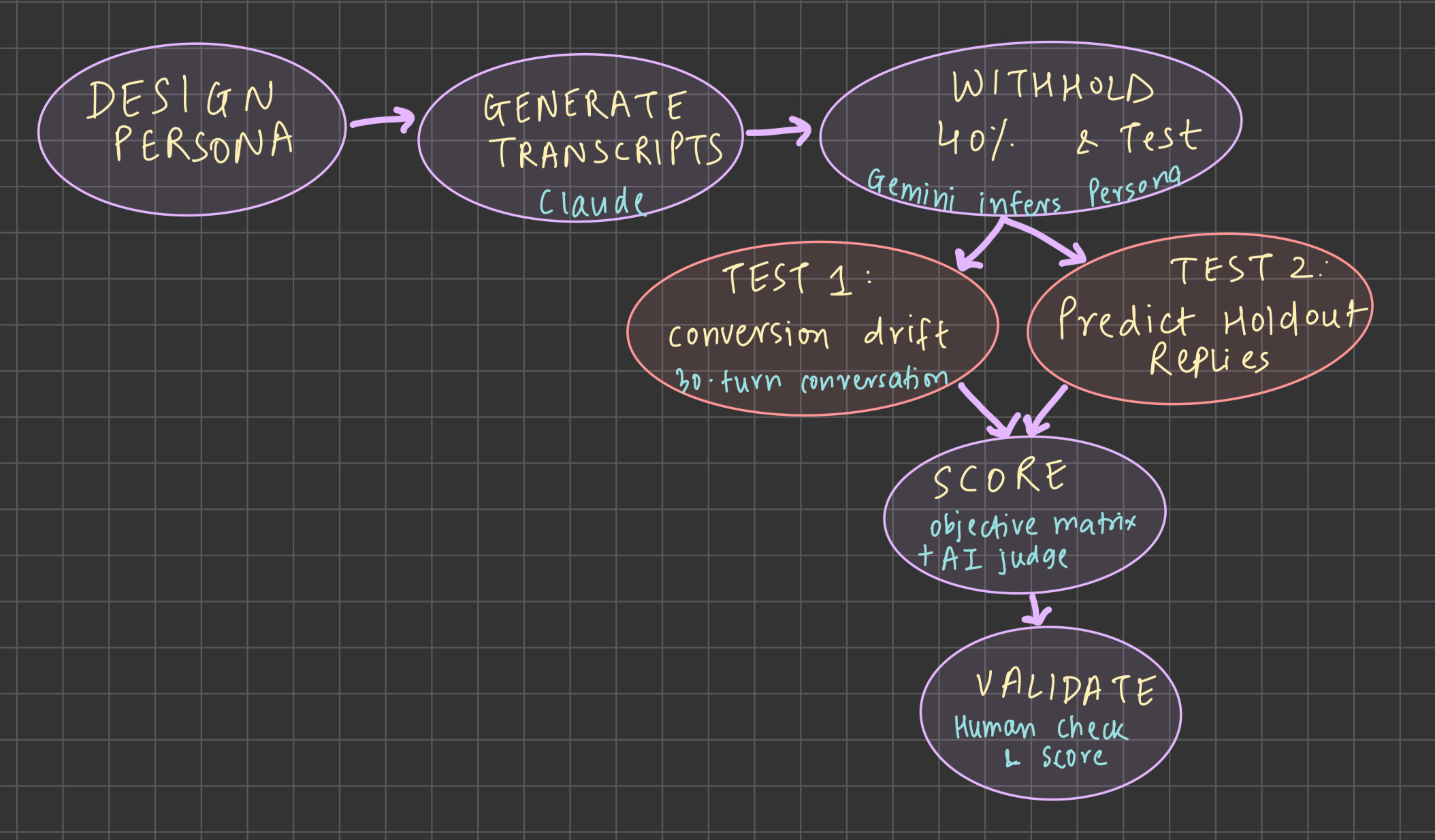
An experiment in persona reconstruction, drift, and where AI simulations fall apart.
I built an end-to-end pipeline to test whether an AI can reconstruct a specific person from only part of what they said.
I created six fictional students (grade 3 through college sophomore, each with a specified knowledge boundary and their own way of talking)
and generated ground-truth conversations for each, then showed a second AI only 60% of each one and had it infer a profile.
Then I tested the reconstruction for conversation drift and recoverability
Methods
- Built a two-pass AI pipeline (Python, Claude, Gemini API) that generates ground-truth data with one model family and reconstructs it with a separate one
- Designed a three-dimension fidelity rubric (knowledge, style, naturalness/drift), each backed by both an AI judge and objective non-AI metrics (Flesch-Kincaid grade level, sentence length, text similarity)
- Ran a blind human-validation pass against the AI judge's scores
A/B Testing · Statistics · Funnel Analytics
Are Ad campaigns actually effective? An A/B Test on real data
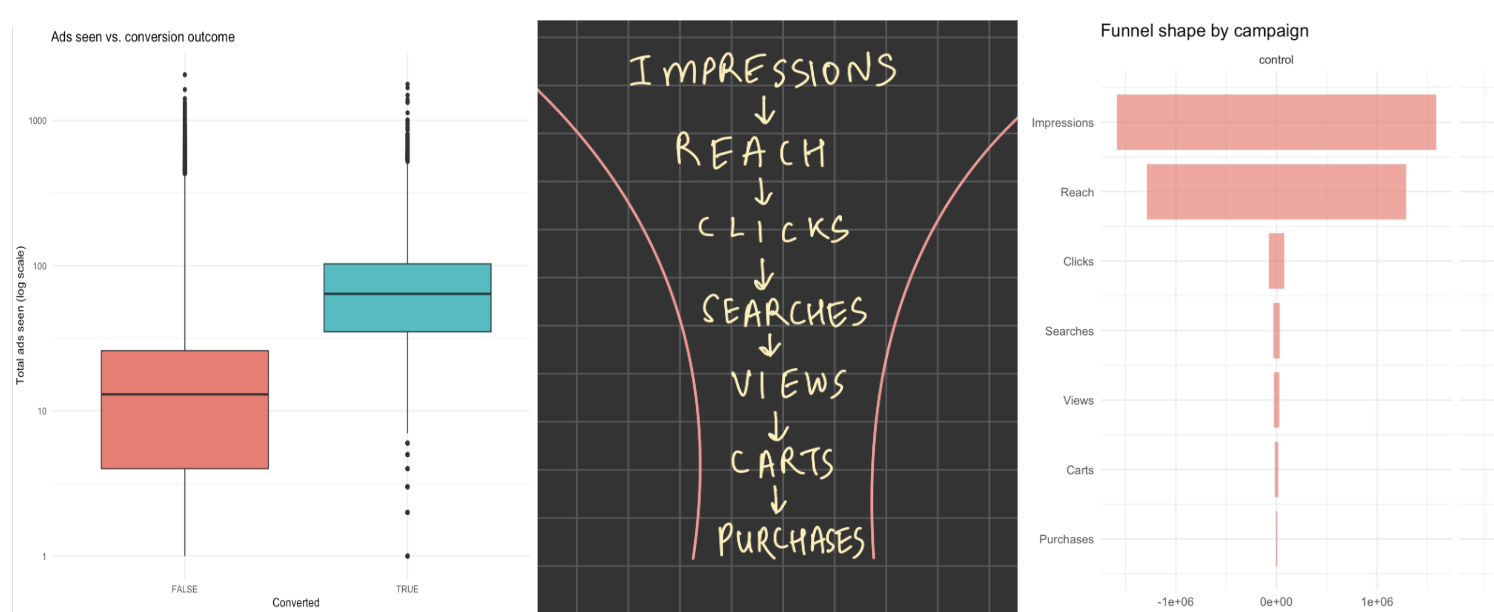
Testing whether ads beat PSAs, and how much the win actually mattered once exposure and effect size were accounted for.
I ran a full statistical pipeline on a real campaign dataset of 588,000 observations,
where one group shown actual product ads and a smaller control group shown a generic public service announcement instead.
This study set out to answer four connected questions:
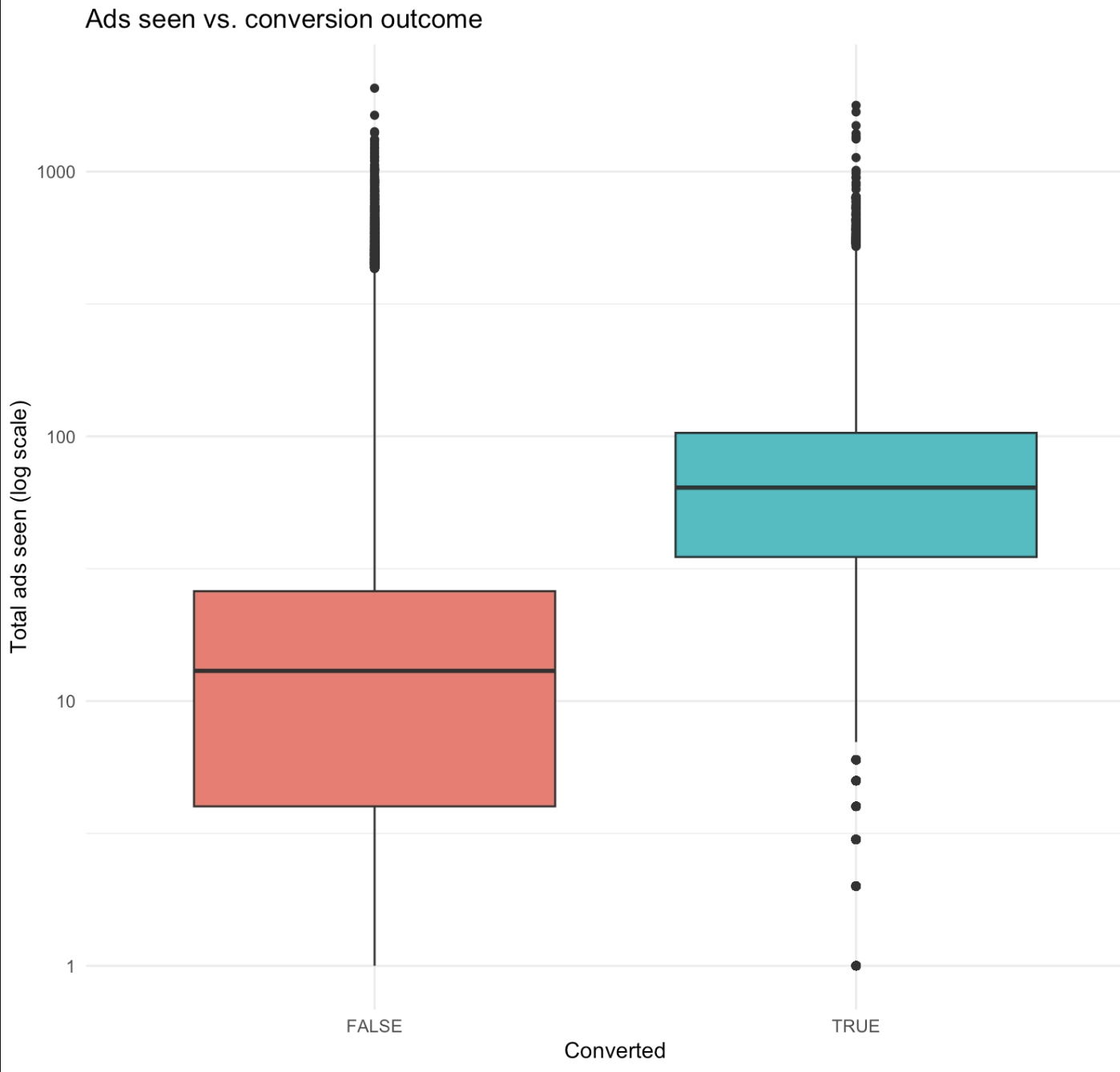
- Did showing people ads actually cause more conversions?
- How big was the effect?
- How does the amount of exposure matter
- How does the timing matter?
Methods
- Chi-square test with effect size checks (risk difference, relative lift, Cramér's V, and confidence intervals) to confirm the result was real and size it
- Dose-response testing (Shapiro-Wilk, t-test, Wilcoxon) on ad exposure, followed by three separate ways of modeling it: fixed cutoff buckets, quantile-based buckets, and a logistic regression
- Converted the statistical findings into insights and business recommendations, where to prioritize ad spend, and which days and hours underperform
Funnel Analytics Sub-project
I ran a similar statistical pipeline on a smaller test vs. control marketing funnel dataset, tracking users from Impressions to Purchases. My study answered
the question: Where in the funnel did each campaign lose the most people?
Methods
- Analysis and Funnel visualization (funnel totals, stage-to-stage conversion, a normalized retention curve, a time series, and a triangle-shaped funnel chart)
- Validated the method itself by building a synthetic dataset with a known, deliberately injected difference
Computational Finance
Replicating and Extending the Landmark Harvard Study "Lazy Prices"
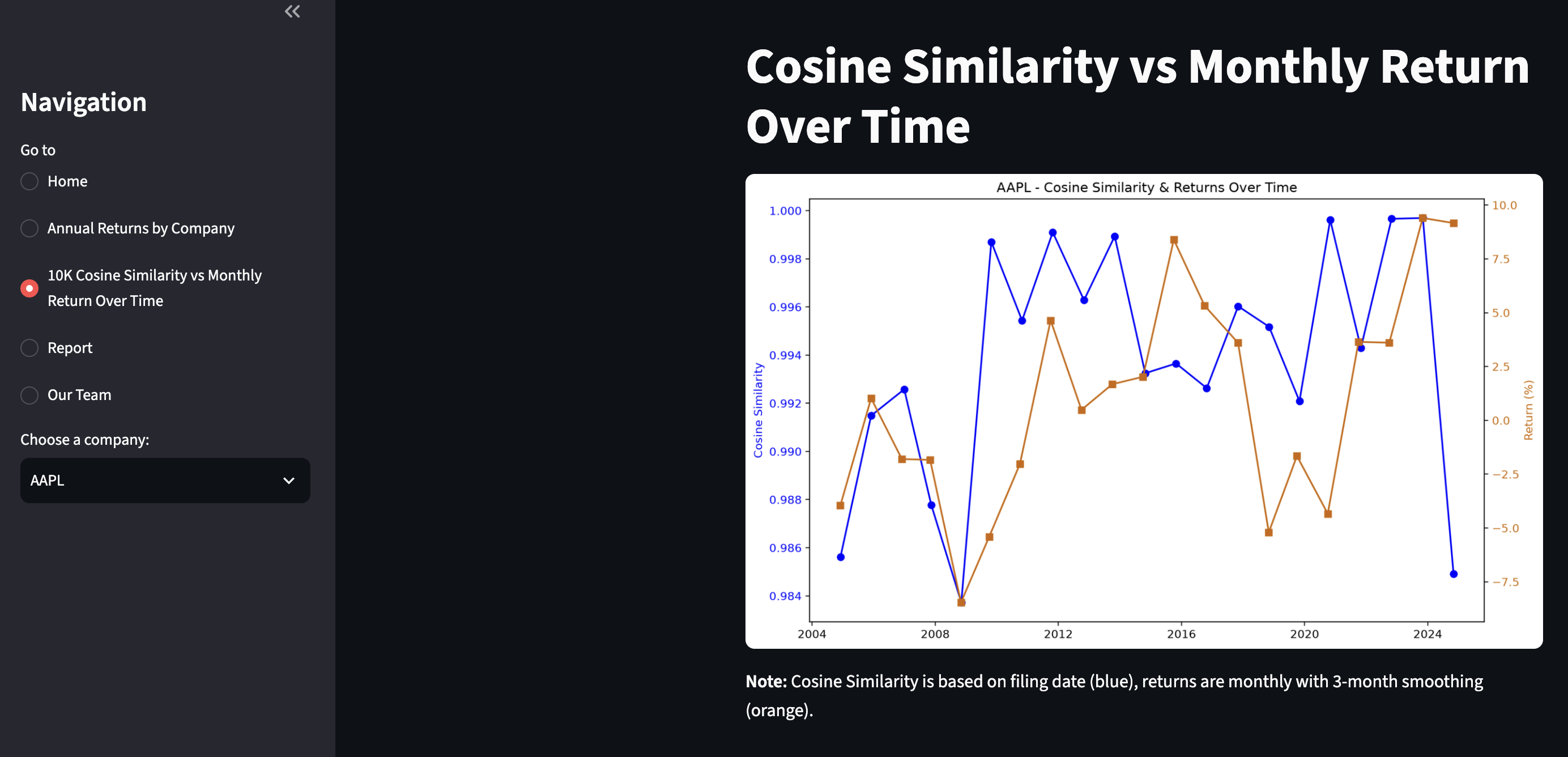
Firms which keep their filing language consistent year to year tend to outperform.
This project replicates and extends a landmark Harvard "Lazy Prices" study, testing whether the language companies use in financial disclosures says something about their future stock performance.
Methods
- Analyzed three decades (1993–2024) of 10-K filings across S&P 500 firms
- Combined text mining (NLP), vector similarity, and financial econometrics to link textual shifts to future stock returns
- Built the end-to-end Python pipeline for text processing, similarity scoring, and portfolio construction
Findings
Firms with more stable disclosure language sustained stronger long-term stock performance.
Computational Finance
Sentiment Analysis of 10-K Filings
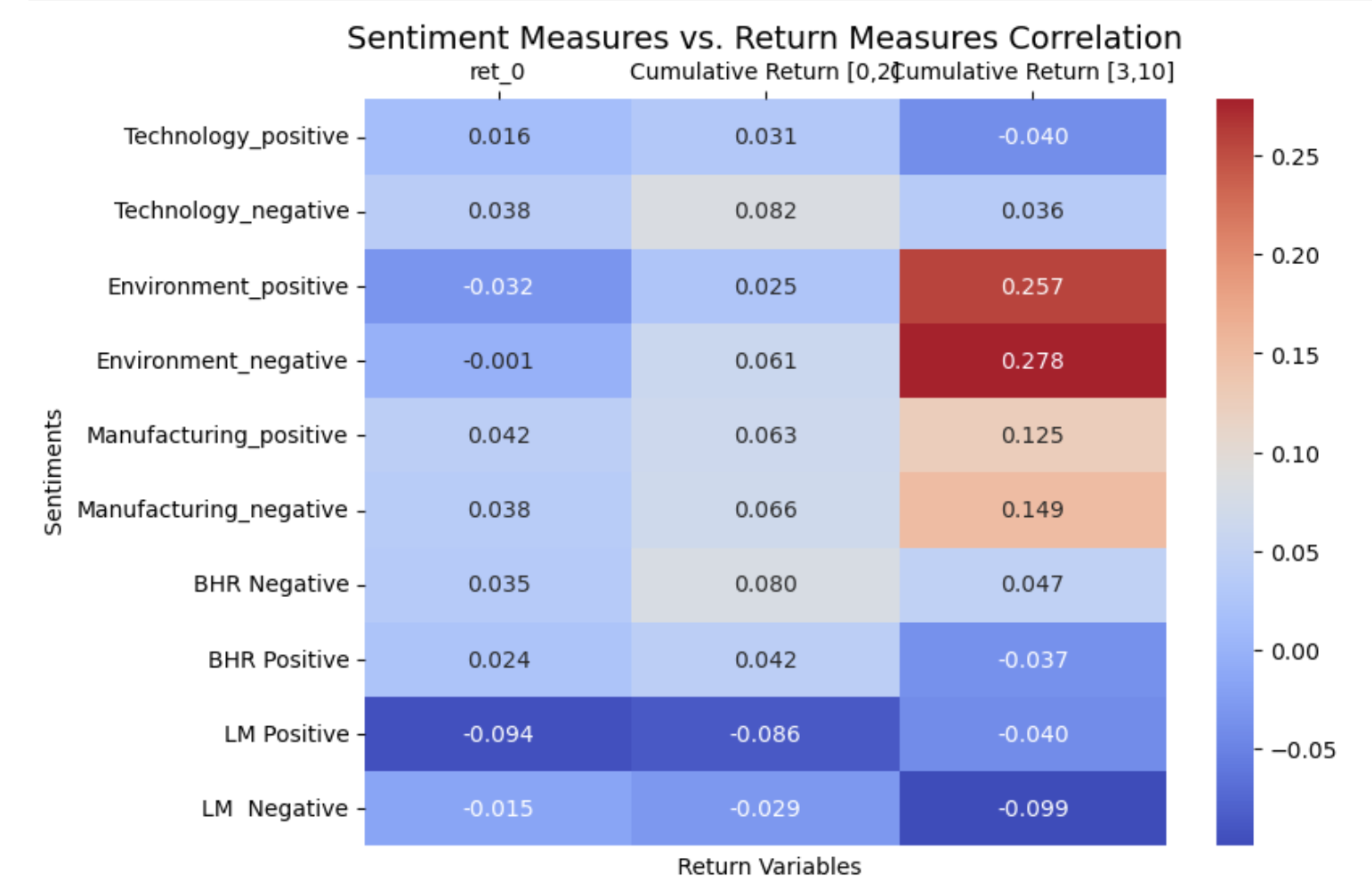
What does a company's tone say about where its stock is headed?
This project tests whether the sentiment in a company's 10-K filing carries any signal about its future stock returns, and whether that signal gets stronger when it's tied to a specific topic rather than measured as one overall tone.
Methods
- Turned unstructured filing text into quantitative sentiment scores and features
- Applied NLP and dictionary-based sentiment analysis to SEC 10-K filings
- Calculated overall and topic-specific sentiment (Environment, Manufacturing, Technology)
- Used financial sentiment lexicons to quantify positive and negative language
Findings
- Optimistic language was tied to weaker returns and negative language to stronger ones
- Built regression models, scatterplots, and correlation heatmaps to visualize the relationship between sentiment and returns
Bosch Rexroth · Independent research and study · Sept 2024 – May 2026
Discrete-Event Simulation for Manufacturing
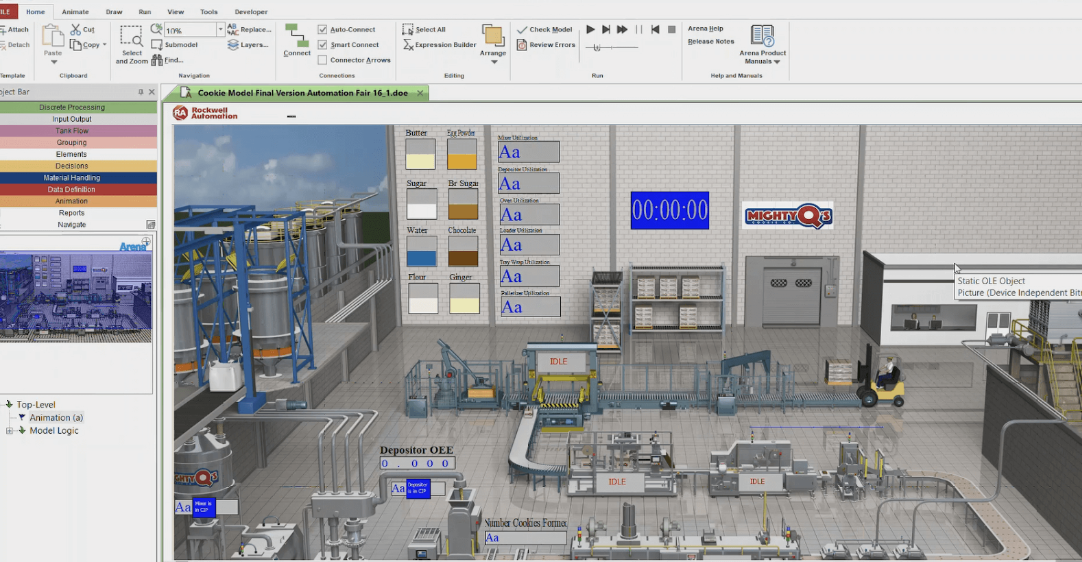
Where does a manufacturing line actually lose time?
A manufacturing firm that only makes engineered-to-order products needed to understand where its production line actually loses time and money. We built a simulation of their real process, conducted interviews to understand bottlenecks, and statistically analyzed their data to recommend operational changes.
Methods
- Built a deterministic discrete-event simulation model in Arena, using a Future Event List to model production line performance
- Collected, cleaned, and validated raw machine data from multiple production units
- Analyzed the data to identify bottlenecks, irregularities, and document the actual process flow